RABBIT HAY GUIDES · SINGAPORE
Rabbit hay: which type should you choose?
A short guide to the types — and what their labels actually tell you.
For a healthy adult rabbit, grass hay is the starting point. Timothy and orchard are common daily choices; oat offers another texture. Alfalfa serves different nutritional needs. Keep suitable hay available at all times.
Singapore AVS feeding guidance ↗Which type of rabbit hay should you choose?
Choose by your rabbit’s needs and the hay they actually eat. There is no single best brand for every rabbit.
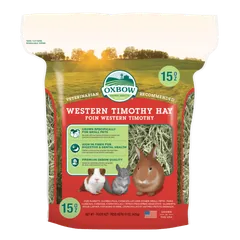
Timothy hay
A familiar starting point
A grass hay with a mix of leaves and stems. A practical everyday option for healthy adult rabbits.
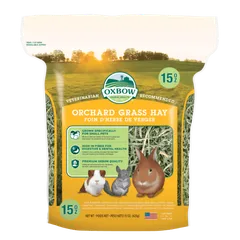
Orchard grass hay
For a softer texture
Another grass hay for daily feeding. Often softer than timothy, so worth trying if your rabbit prefers leafy hay.
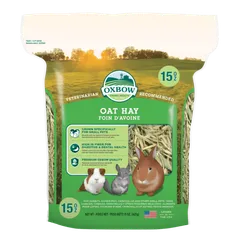
Oat hay
For a crunchier texture
A grass hay with a different smell and texture. It can add variety alongside a familiar hay; preferences vary by rabbit and batch.
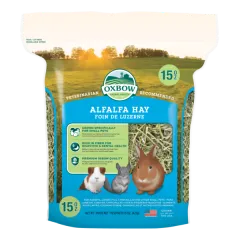
Alfalfa hay
Different nutritional needs
A legume with more protein and calcium. Often used for growing rabbits; it is not the default daily hay for healthy adults. Ask your vet about suitability.
Product examples and pack photos: Oxbow Animal Health. Photos link to the manufacturer. Packaging does not show how every batch will look.
Texture descriptions are general guides, not quality scores. A cutting number alone does not tell you the full nutritional value of a bag. Read Oxbow’s comparison.
Does “first cut” or “premium” decide it?
A cutting number describes the harvest sequence. Texture can differ, but the number alone is not a nutritional analysis. “Premium” and country of origin do not tell you whether your rabbit will eat a particular bag.
Use the grass type to make your shortlist, then check the product ingredients, condition and your rabbit’s response. Oxbow explains the hay types and natural variation.
Keep hay dry in Singapore
Store it away from sunlight, steam and damp areas. Follow the instructions for your particular packaging. For its bagged hay, Oxbow recommends a cool, dry place and ventilation, including when using another container. Keep the original label and batch details. Oxbow storage instructions.
Check the hay when you refill. Discard hay that is damp, mouldy or smells musty; do not mix it into a fresh bag.
Ready to choose a bag?
New owner? Start with the first-purchase checklist. Already know the type? Compare Singapore prices and packs. If eating habits have changed, check the troubleshooting guide first.