RABBIT HAY GUIDES · SINGAPORE
Rabbit leaving hay? What to check first
Work out whether you need a vet, a better feeding setup or a different hay.
A sudden change needs attention before a new purchase. If your rabbit stops eating or passing droppings, seek urgent veterinary care now. Reduced appetite, fewer droppings or difficulty chewing also warrant prompt advice, even if treats are still accepted.
RWAF: appetite, droppings and dental problems ↗The checks below are for an otherwise well rabbit with an established hay preference. They cannot rule out illness. Persistent low hay intake needs a rabbit-savvy vet’s assessment.
Check the bag and feeding spot first
- Inspect the hay. Do not feed hay that is damp, mouldy or smells musty. Keep the batch details and contact the seller if a bag seems faulty.
- Make it accessible. Can your rabbit comfortably reach and pull out the hay? Keep it clean and offer it where they already spend time eating.
- Review the whole diet. Note the pellets and treats given, and discuss amounts with your vet if hay intake stays low. Do not withhold food to force a rabbit to eat hay.
Oxbow’s feeding tips cover presentation and hay variety.
Try one change you can observe
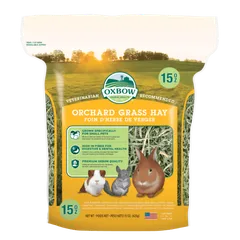
TRY A SOFTER GRASS HAY
Orchard grass
If leaves are eaten and coarse stems remain, a little orchard alongside the usual hay is one option. This pattern alone cannot rule out dental trouble.
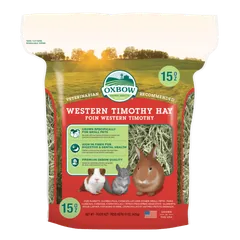
KEEP THE FAMILIAR SUPPLY
Timothy hay
If timothy is already being eaten well, keep it available while offering an alternative. A more expensive bag is not automatically better.
Oxbow manufacturer pack photos are examples, not feeding-test results. Natural hay texture varies by batch.
The preference changed with a new bag
Compare its condition and texture with the previous batch. Natural variation can change how hay smells and feels; the same brand name does not guarantee identical hay.
Choose a small pack of one alternative first, rather than buying several large bags. Oxbow compares grass-hay textures.
Look for eating, not just missing hay
Offer the new hay next to the familiar hay and watch which is actually chewed. Note what remains and what falls to the floor. Keep a short record of the hay offered, observed eating and any change in droppings.
A single sniff is not a feeding result. Keep the familiar supply available, and avoid changing several things at once. If intake stays low, seek veterinary advice instead of repeatedly switching products.
Once you have a type to try, compare pack sizes and prices. No hay in that list has been proven by us to solve picky eating.